
Hearing Protection Chosen by the NRR Your Area Actually Needs
Plugs and muffs with the NRR matched to the area's measured noise. Overprotecting isolates the operator from alarms; underprotecting does nothing at all.
Noise-induced hearing loss is cumulative, painless and irreversible: there is no warning at the moment and no recovery afterward. That is why hearing protection is the most neglected PPE and the one that generates the most occupational disease claims in the long run.
The selection criterion is the NRR — Noise Reduction Rating — checked against the measured noise level in your area. Overshooting has a cost too: an overprotected operator stops hearing the forklift alarm and a coworker's call, and ends up pulling the plug out.
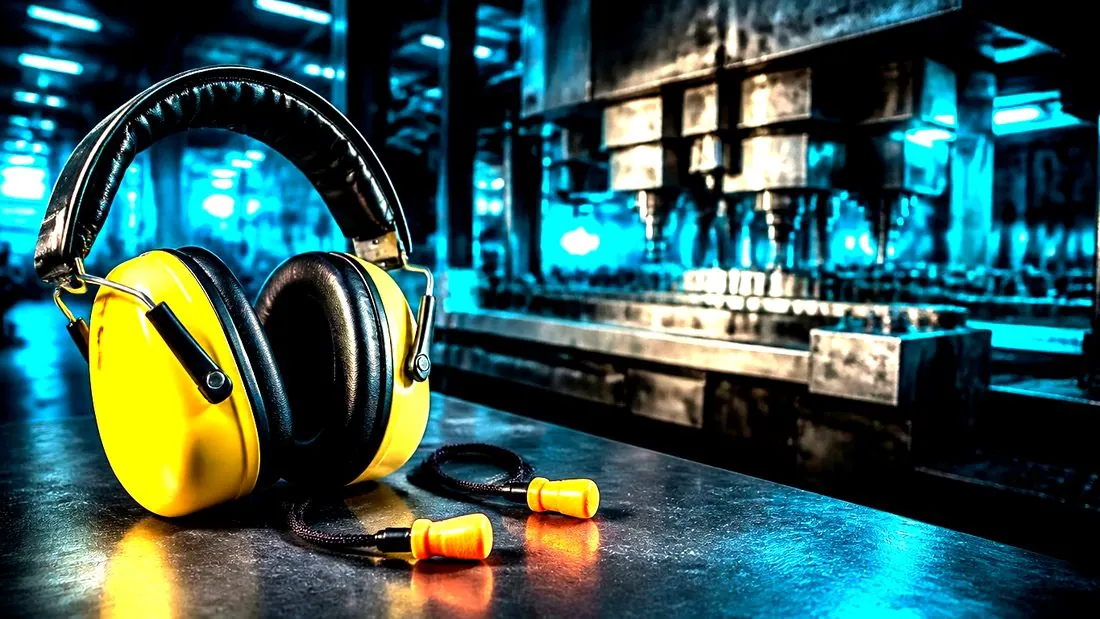
We carry disposable foam plugs, corded reusable plugs, headband earmuffs and cap-mounted earmuffs. The choice depends on noise level, exposure time, whether the operator moves in and out of the area, and whether they already wear a hard hat or glasses.
What to check in this line
Selection by NRR
We check the product's NRR against your area's measured noise level. Without that measurement, any recommendation is a guess.
Disposable and reusable plugs
Disposables solve high turnover and visitors; corded reusables are the right call for someone entering and leaving the area all shift.
Headband and cap-mounted muffs
When the position already requires a hard hat, cap-mounted muffs keep the operator from having to choose between the two protections.
Dual protection
For high levels, plugs plus muffs. The sum is not arithmetic and needs to be calculated properly; we help with the criterion.
Where it is used
- Stamping and press areas
- Compressor and generator rooms
- Machining and grinding
- Plastic injection areas
- Construction with pneumatic equipment
- Warehouses with forklifts and alarms
About hearing protection

Need to equip your plant?
Tell us which position needs protection and how many people. We reply with datasheets, an itemized price and a firm delivery date.